Skip to content
The Challenge
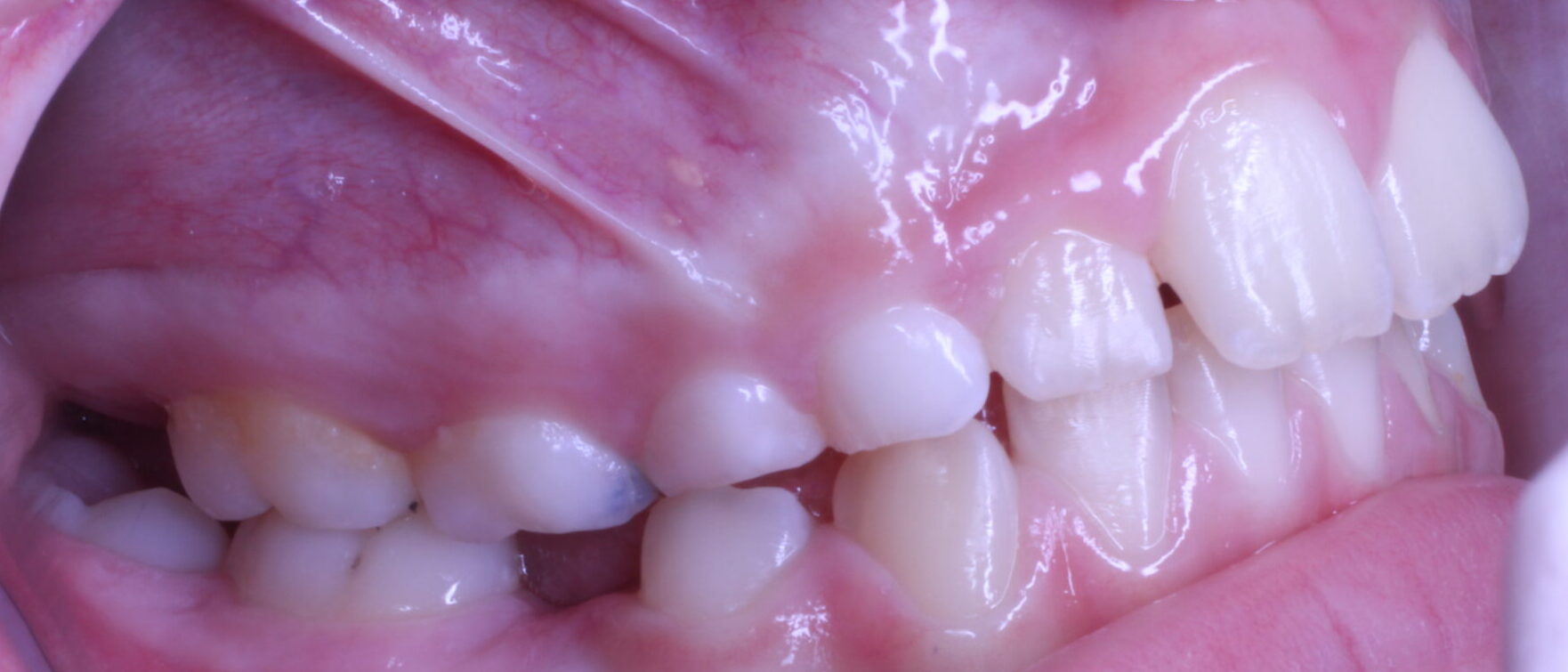
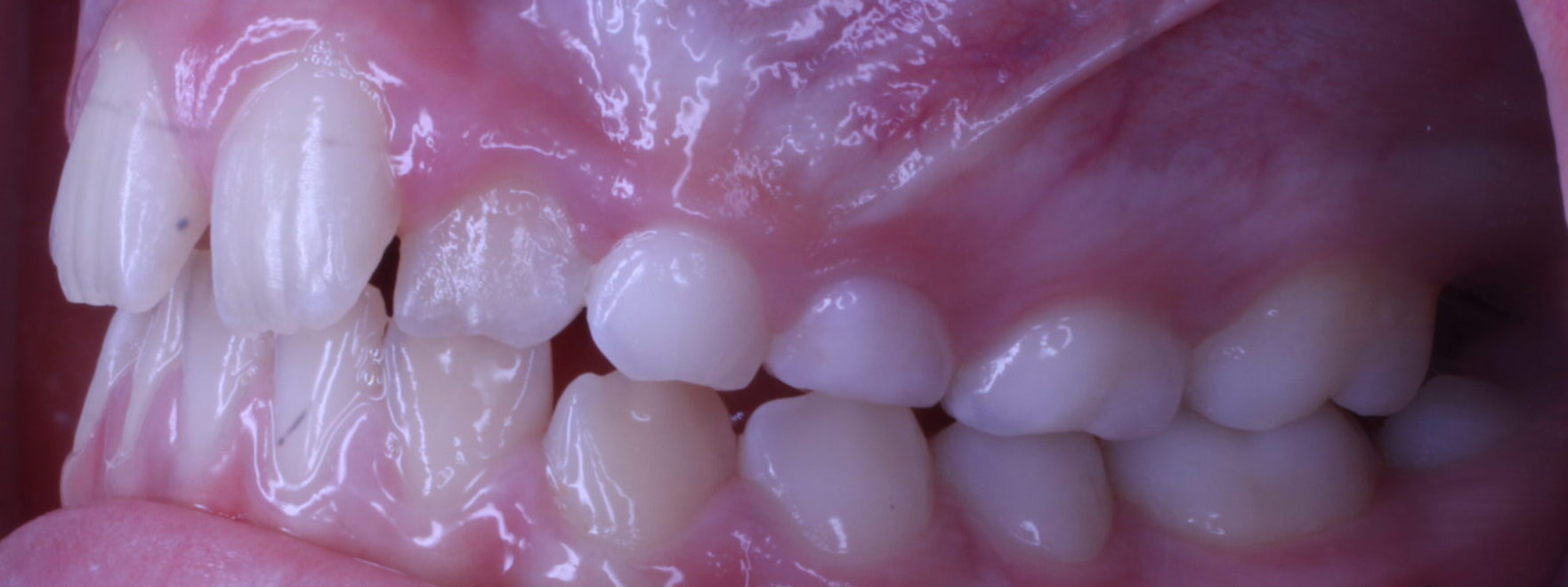
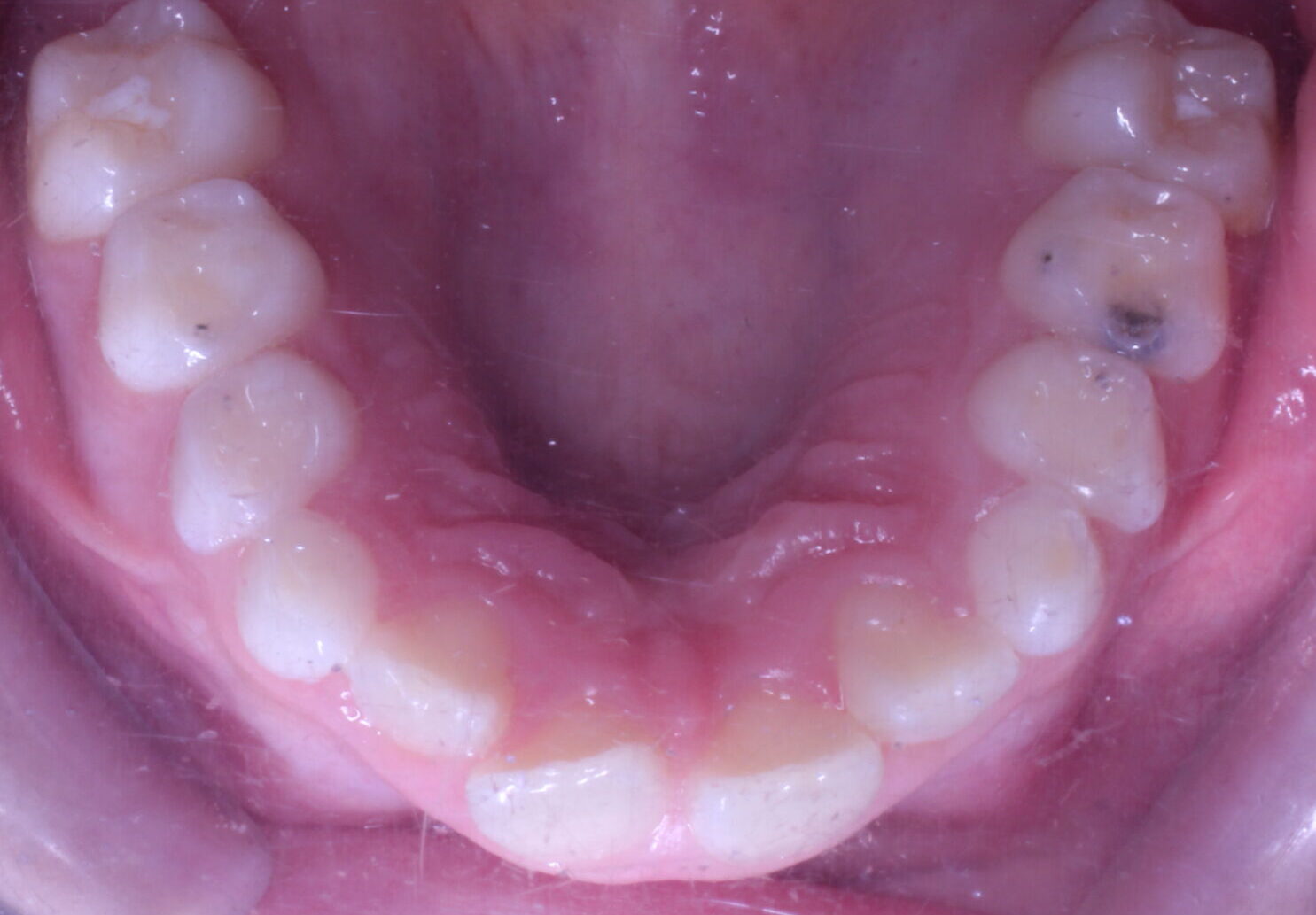
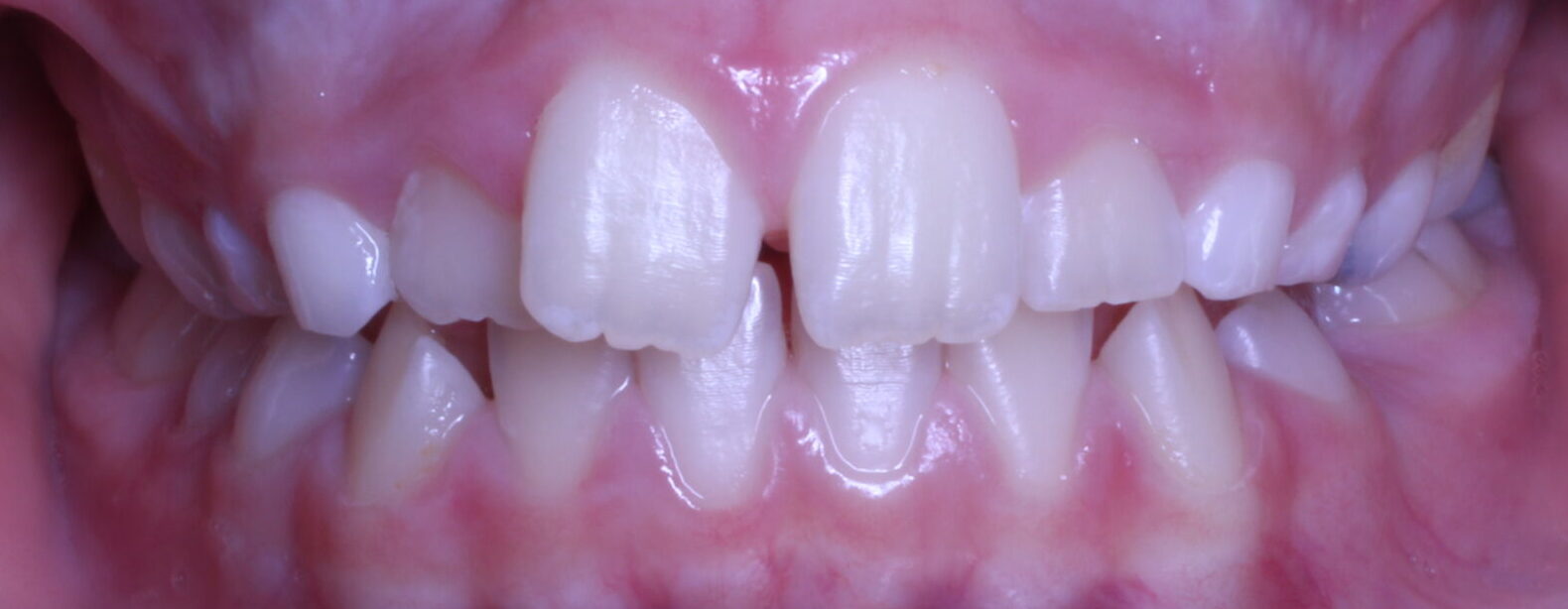
The patient initially presented to us during the mixed dentition stage (when a child has a mix of baby and adult teeth) with two primary concerns:
- The Aesthetic Issue: A prominent midline diastema (a large gap between the front teeth) that the patient wished to close.
- The Structural Issue: Panoramic X-rays (OPGs) revealed a severely impacted lower left tooth (tooth 35) that was trapped beneath the surface, along with crowded, unerupted upper canines that were pushing other teeth out of alignment.
The Strategic Treatment Plan
Because the patient’s mouth was still growing, our team design-engineered a phased treatment programme to work in harmony with their natural development.
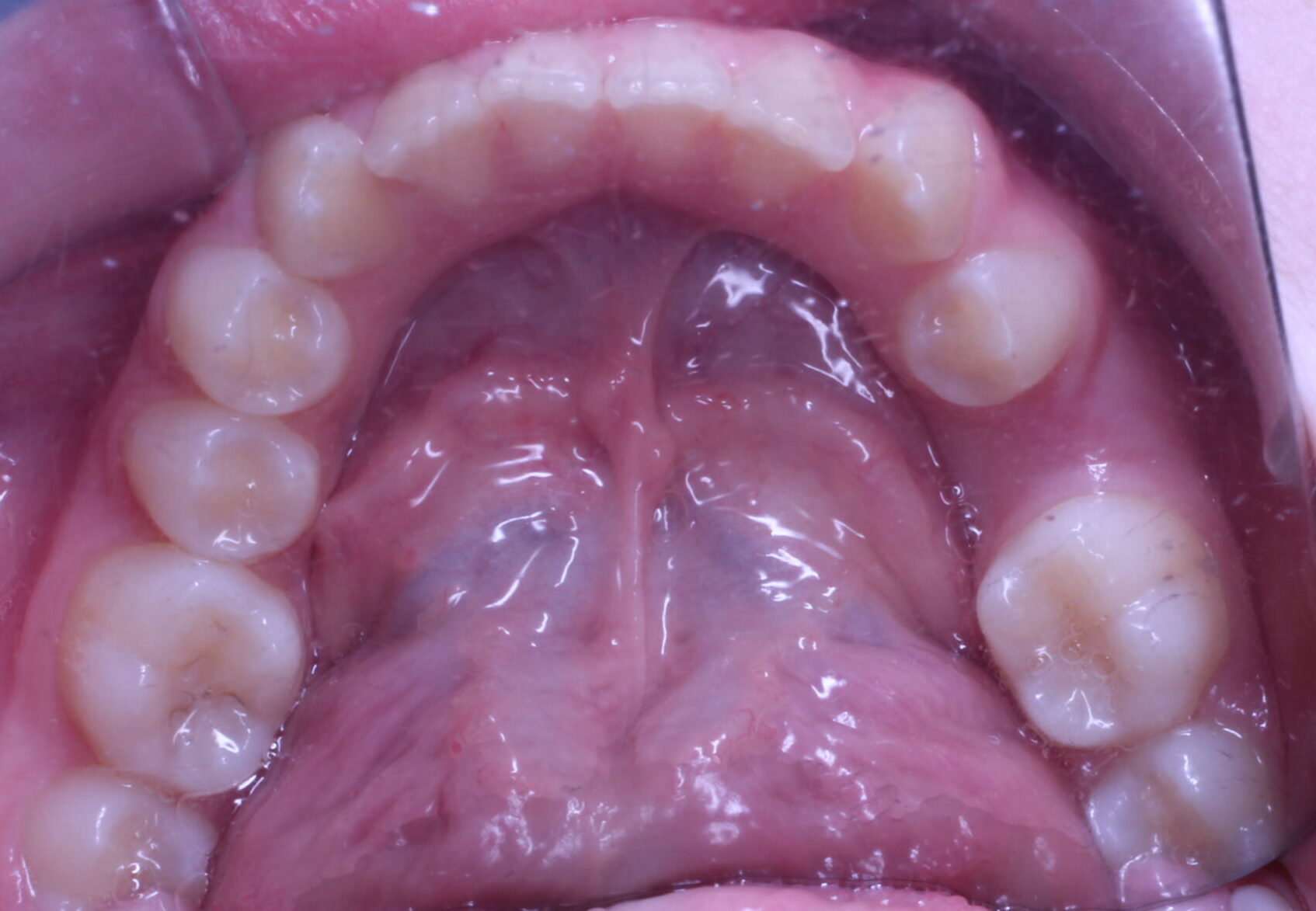
- Phase 1: Creating Space (The Lower Arch): We first fitted a lower metal appliance using specialised open coil springs. The goal was simple yet critical: push the adjacent teeth apart to create a welcoming pathway for the trapped lower tooth to erupt. By July 2020, the tooth successfully emerged and was safely bonded into position.
- Phase 2: Full Realignment (The Upper Arch): Once the remaining adult teeth erupted, upper fixed braces were placed. We carefully managed the space to allow the upper canines to drop into place without damaging the roots of the front teeth.
- Periodontal & Hygiene Support: Wearing braces over a longer period requires immaculate cleaning. When the patient experienced brace-induced gingivitis and gum swelling, our orthodontic therapists and hygienists stepped in with intensive Oral Hygiene Instruction (OHI) and regular scaling to protect the underlying bone.
The Final Result
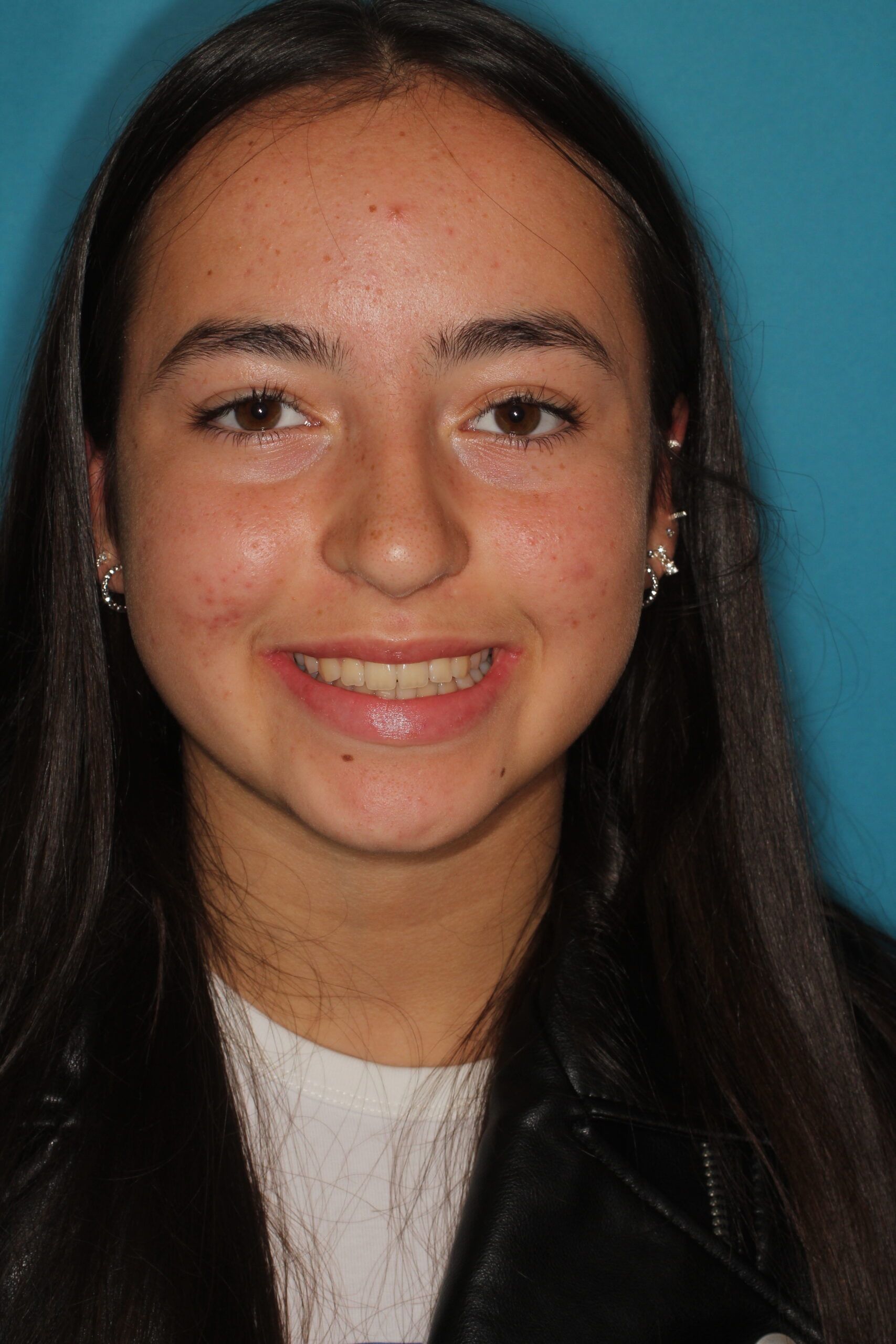
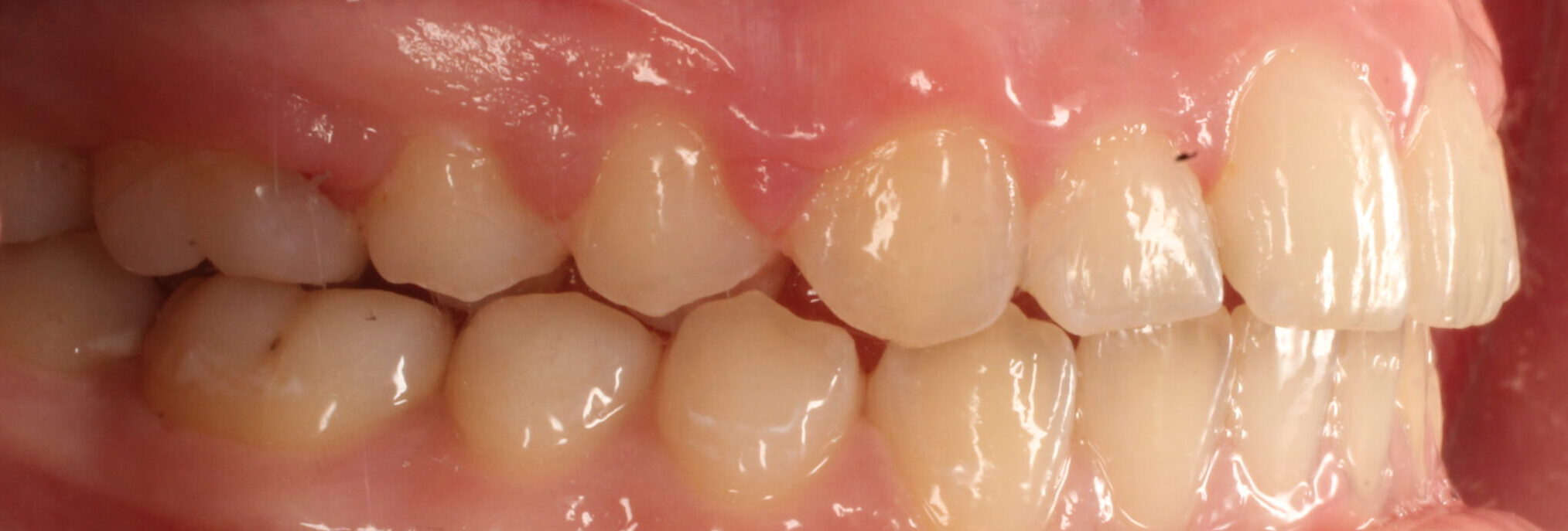
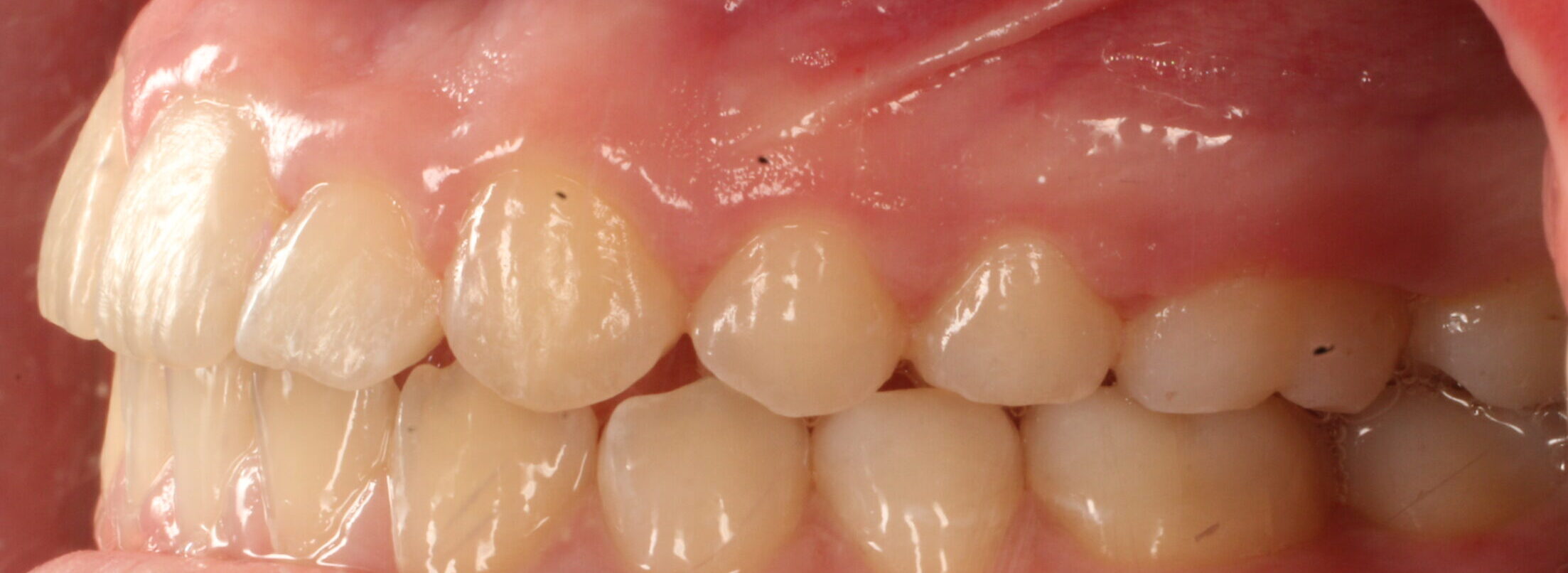
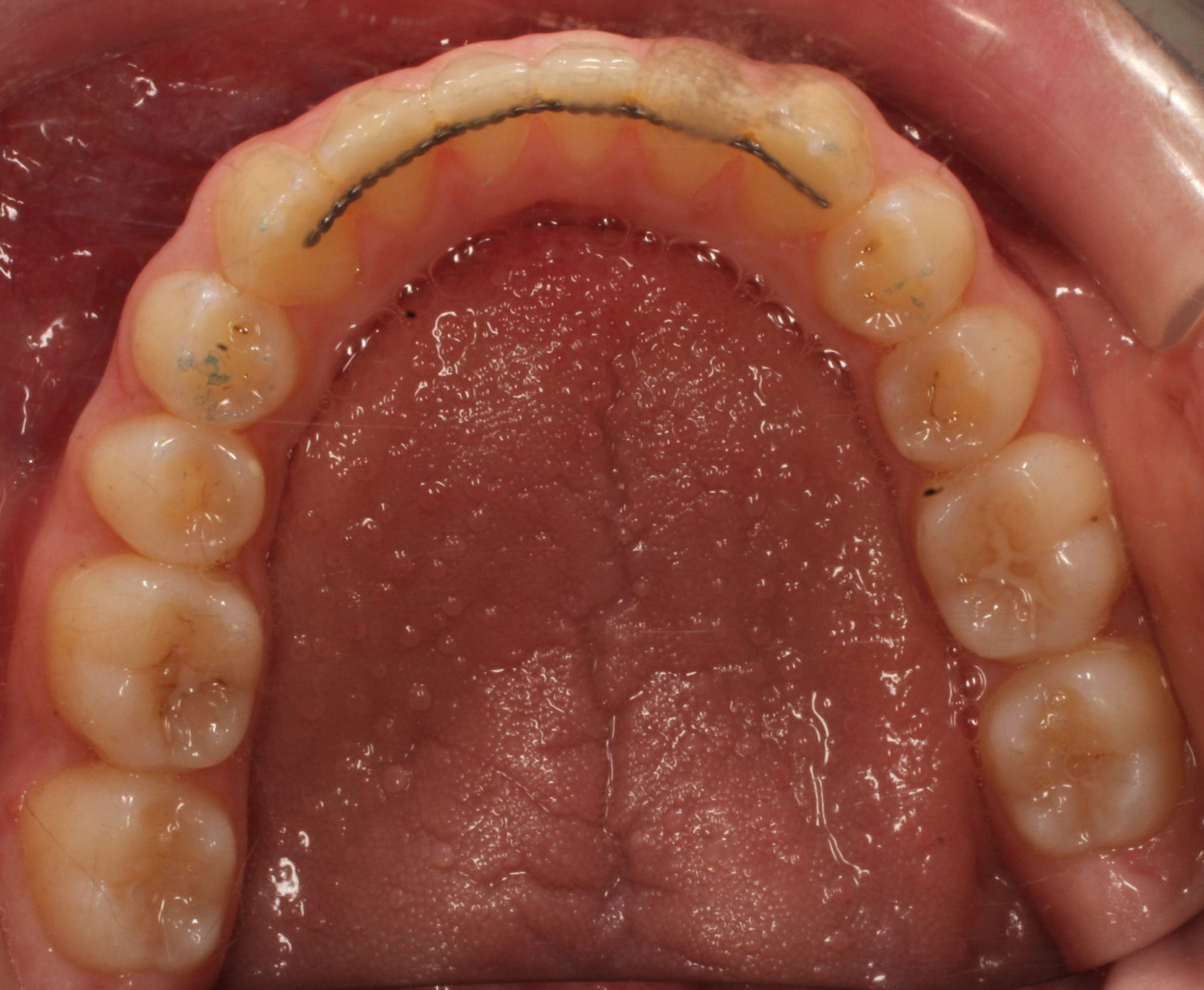
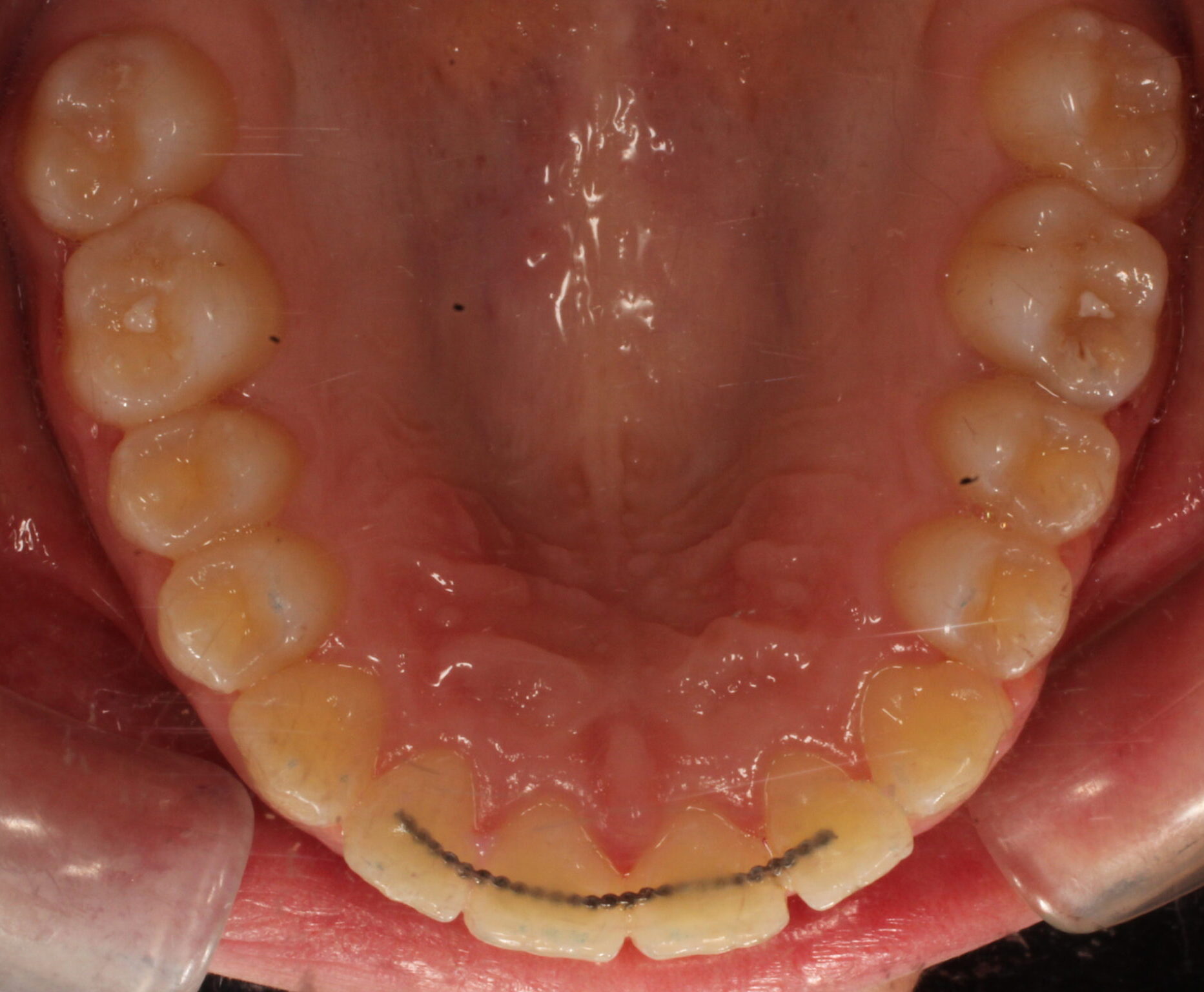
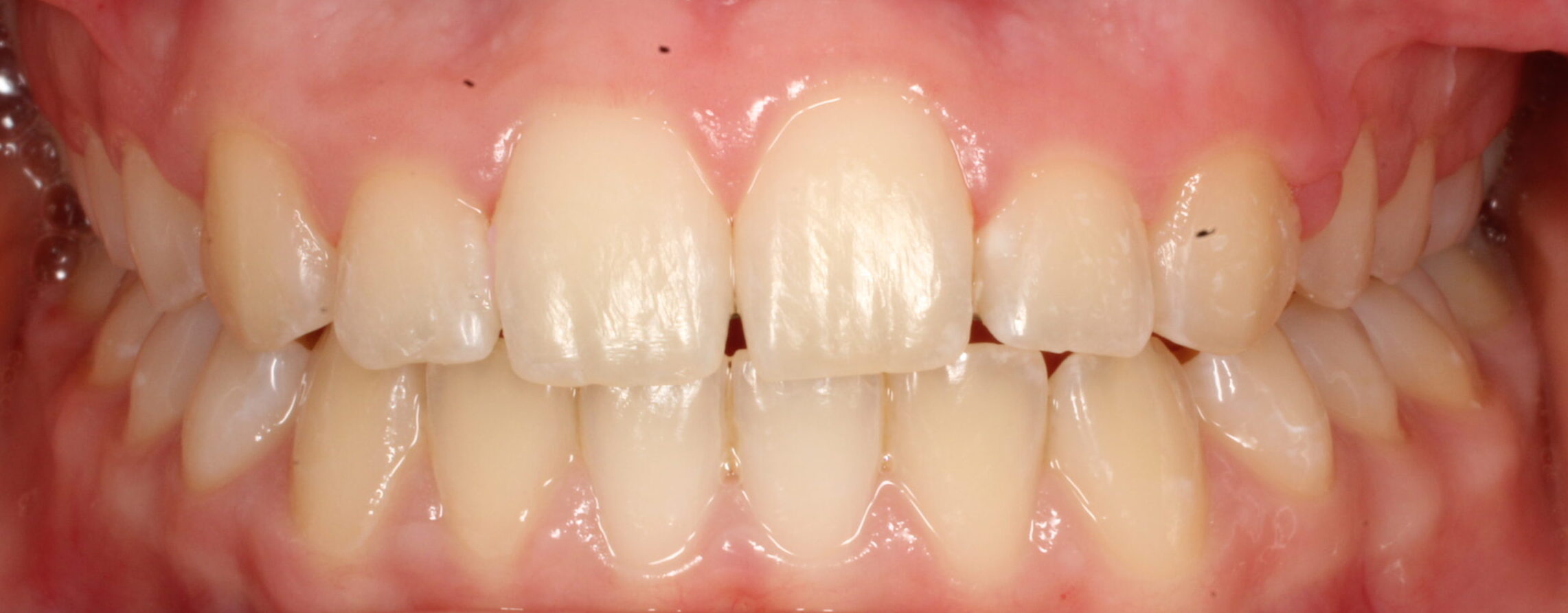
In the summer of 2023, the active orthodontic treatment drew to a successful close. The patient was transitioned into a hybrid retention strategy: a fixed bonded retainer for long-term stability, paired with custom-moulded Essix retainers.
Despite a minor post-orthodontic hurdle in 2024 requiring a general dental extraction for an unrelated deep cavity, the patient’s orthodontic alignment remains perfectly stable. Today, they attend routine annual hygiene checks with a healthy, straight, and beautifully balanced smile.
- The Specialist Advantage: Interceptive orthodontics requires monitoring a patient's growth over years. By intervening at the right time, we avoided complex surgical exposures and naturally guided the patient's own teeth into alignment.
Are you noticing gaps in your child’s smile, or has your dentist mentioned a potential trapped or impacted tooth? Early intervention can save years of complex treatment later on.